Squat Deep

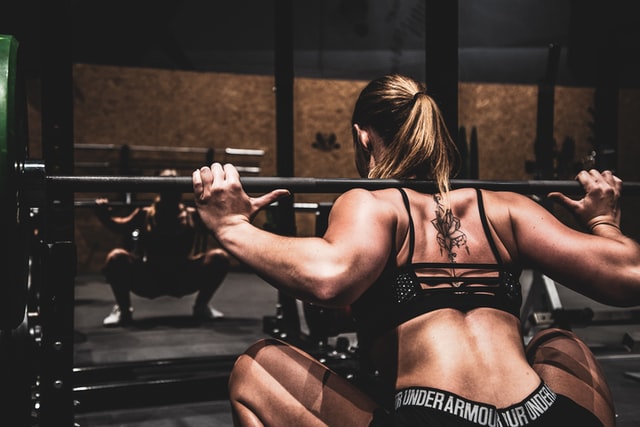
Squatting through a full range of motion like you see in the picture is an excellent way to build balance, flexibility, and strength, but some people don’t have as much natural aptitude as others for developing the ability to perform the movement. Fortunately, the prescription for developing this ability is fairly straight forward.

A lot of people develop the erroneous perspective that the lack of flexibility comes from their back or hips, but for most people the lack of flexibility actually comes from their ankles. The way to advance to squatting deeper is to focus on your feet and your ankles.

Make sure you set your feet so they are pointing out in front of you at a 45 degree angle. The way you get yourself all the way down so that the back of your thighs are touching your calves while maintaining a flat back is you set some kind of stable object like a weight plate or a 2 x 4 under your heels. It shouldn’t need to be more than a couple of inches tall.

Perform squats using this support for about a month then switch it out for something that is only about one inch tall and perform squats using the one inch support for a month and after that you should be able to perform squats all the way down without any support.
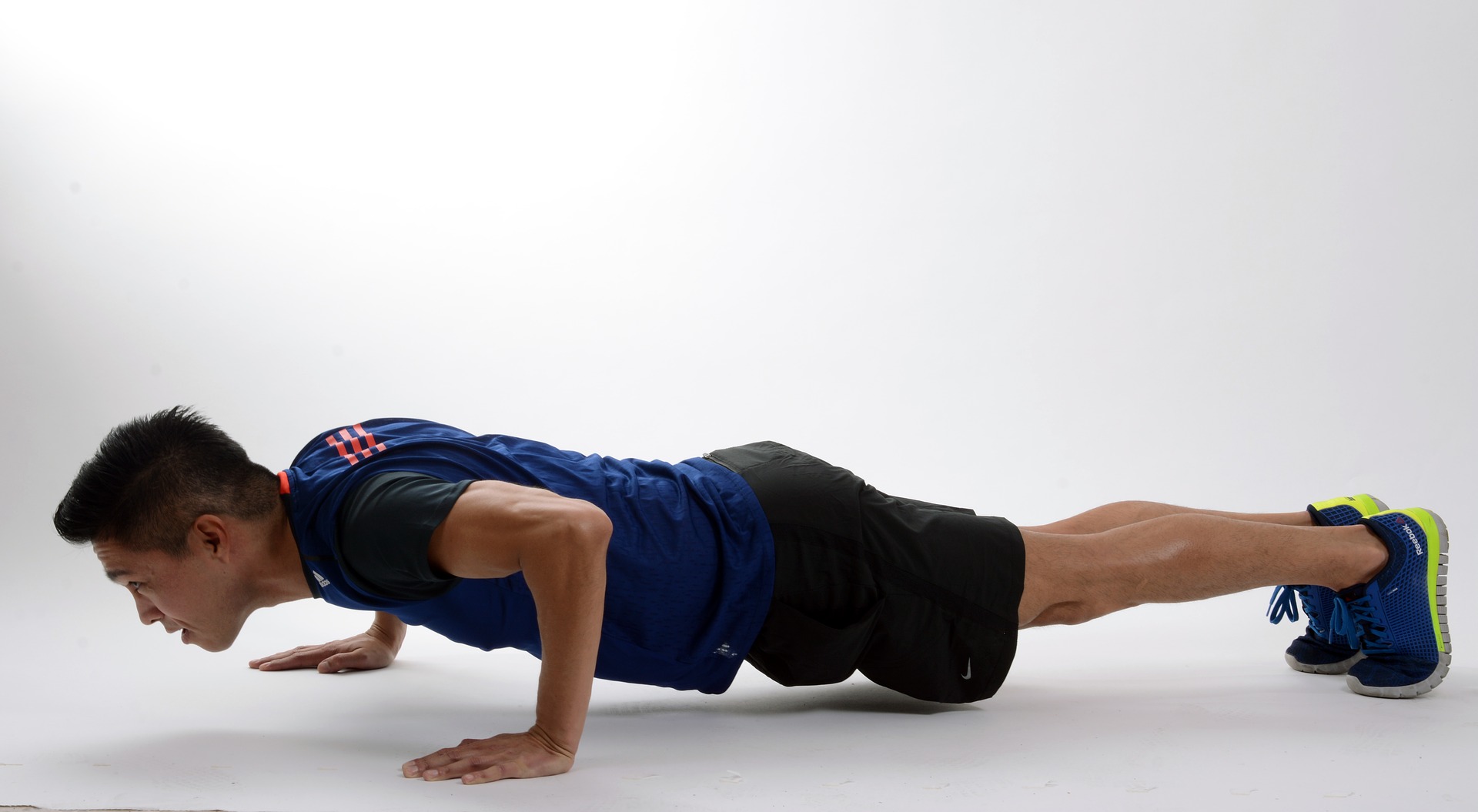
Image Credit

Intermediate Push Ups

If you’re still struggling to do push ups at all then start here. But if you’re ready for something more challenging then keep reading.

One of the things that I notice when a lot people do push ups is they don’t lower their chest all the way to the ground like you see in the video. I realize that for a lot of people this is a lot easier said than done. And I would never chastise anyone to the point where they developed the belief that lowering yourself only part of the way down isn’t worth performing. On the contrary, it is a great stepping stone on the way to performing push ups through a full range of motion. The simplest way to get all the way down is to try lowering yourself a little further every week or two until your chest reaches the bottom.

However, if this technique doesn’t work and you’re still having trouble lowering yourself all the way down try starting from the bottom position so that your chest is already touching the ground then push your way up. Make sure that you keep your hips and stomach raised off of the ground even when you are on the ground. If this is too difficult then try putting some kind of stable surface on the ground like a folded blanket and push your chest up from that instead. Once you’re capable of pushing off the elevated position, you can either reduce the elevation or take the added elevation away completely and begin pushing off the ground.

Video Credit

Single Leg Training

Single leg training is great for preventing injuries and improving balance. It is not unusual for one leg to develop differently than the other, and single leg training is the key to offsetting these imbalances. You can use the following exercises as a way to progress up to a solid foundation of single leg training that you can perform in the comfort of your own home.

Flexibility

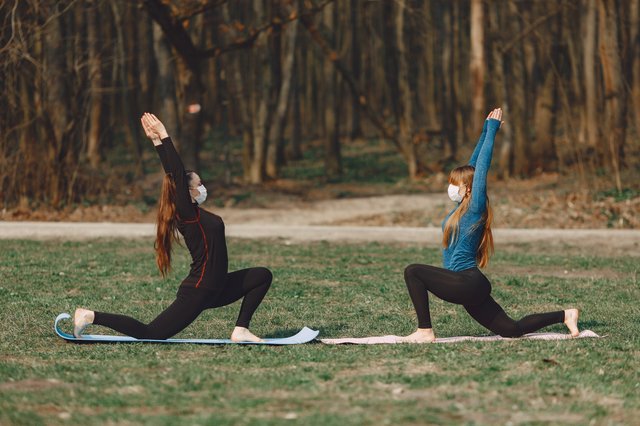
Before you go diving into resistance exercises, you should start by building a base of flexibility and balance. Start by taking a big step forward than easing yourself down onto one knee. Push your hips forward and extend your arms over your head and lean back like you see in the picture. You should be able to hold this pose comfortably for about thirty seconds until you proceed to the next exercise.

deep lunge

Alternating Lunges

The proper way to perform lunges is to step forward and lower the knee of your rear leg to the ground until it lightly touches or stops just above to the ground. You can set your hands on your hips or your head. The most efficient way to perform lunges is to alternate the leg you step forward with. When you can do a set of 24 reps (12 each leg) then you are ready for the next exercise.

RFESS

When the rear foot elevated split squat (RFESS) exercise is performed properly it is one of the most effective exercises for preventing injury and improving balance. The difference between the RFESS and a lunge is you support your rear foot up on a stable surface like a chair and set your front foot in a static position. You can set your hands on your hips or your head. Let your rear knee hang toward the ground and lower yourself until your rear knee is lightly touching or just above the ground.

Image Credit