Working Out During a Pandemic

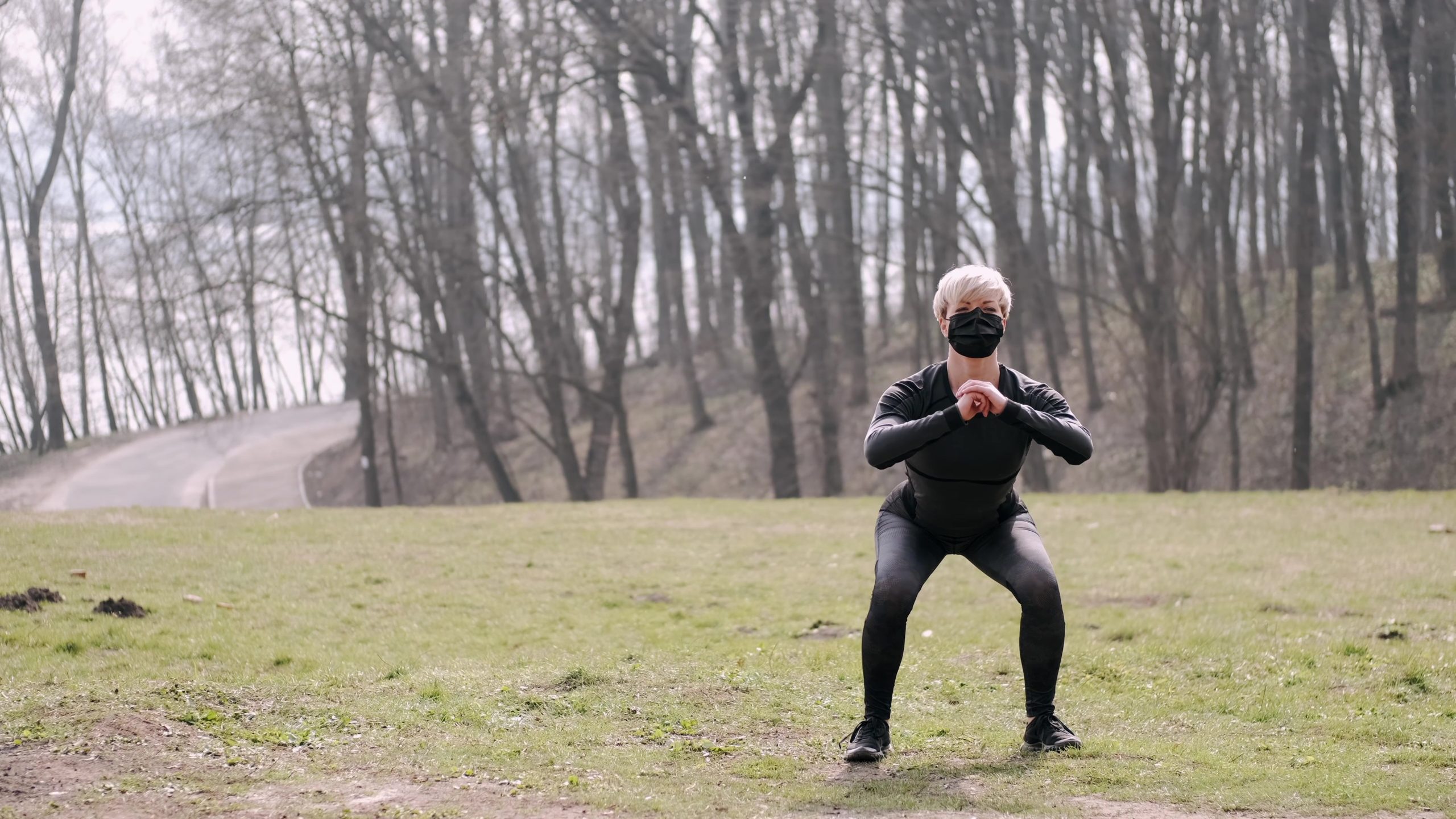
There certainly aren’t any experts on the subject. But if you’re talking about working out while using social distancing, then you’re probably talking about working out at home or outside.
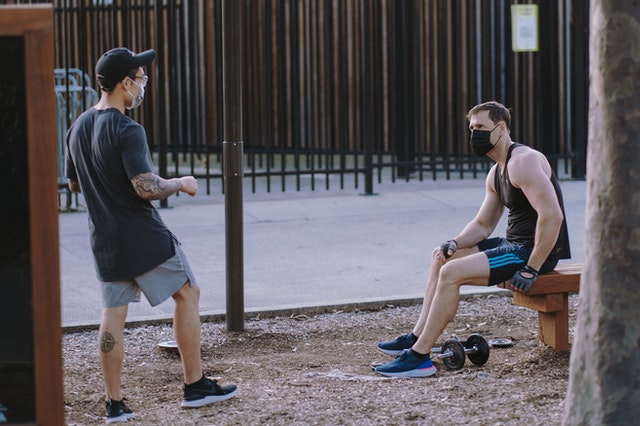
men in masks

If you’ve been outside lately, you’ve probably noticed that there’s a lot more people out there. And you may have come to realize that not only is it a nuisance keeping six feet of separation from those people, but doing little more than running and walking is not doing an adequate job of replacing your gym workout.

So you need something that you can use to do a comprehensive home workout, and you want something that can make the most out of what little gym equipment that you have.

Check out My Simple Workout. This site has everything you need to get a simple and comprehensive workout going right now. It’s fast and easy and it’s free.

If you have any trouble getting started, then check out this post.

The Difference Between Training Frequency and Training Volume

When most beginners first start training, they never think about the difference between training frequency and training volume. They usually just perform in whatever style they are prescribed without recognizing the alternative. Volume is the style of doing higher volumes of specific exercises infrequently (maybe once a week) while spreading out different kinds of exercises over the rest of the week. Frequency is doing a small amount of a specific exercise on a given day, but repeating it throughout the week.

Usually the training model that favors inexperienced trainees is frequency because it gives them the opportunity to practice and improve their athletic ability performing each exercise. Volume is favored by more experienced athletes because it improves recovery, and it can be used to reduce the incidence of overuse injuries. Very high level athletes will often perform both training styles simultaneously, but for most athletes this is rarely sustainable, and it can lead to injury in even the most genetically blessed athletes.

Regardless of the training modality you choose, it is important to assess your body’s response to the workout, and make adjustments when they are necessary. For examples of how to adjust your workouts, you can click on the link, “Go to Workout Builder” at the top of this blog.

You Can Do Push Ups

If you can already do push ups, don’t waste your time reading this article. But if push ups are something that feels outside of your ability level, then this is the article for you.

The way to develop the ability to do push ups is to first develop the ability to do exercises that develop muscles used to perform push ups.

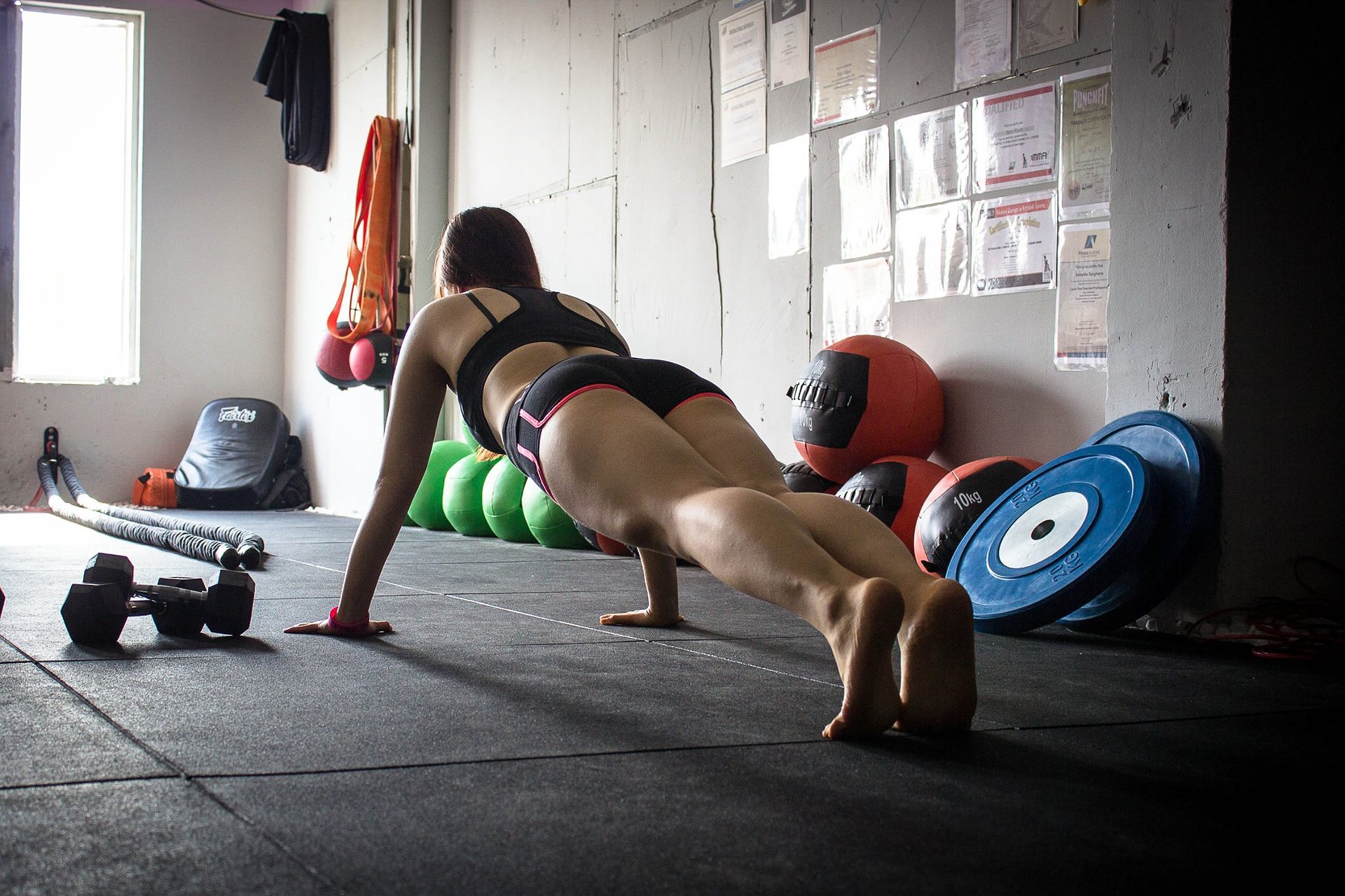
Planks

You should do planks with your arms extended and planks with your elbows bent so that you are resting on your forearms. You should also train yourself to be able change your plank position from your arms extended to resting on your forearms one arm at a time.

Push Ups from your knees.

This is just like doing push ups from your toes except you bend at the knees and use your knees as the pivot point. Focus on keeping your body straight from your knees to the top of your head.

How to Build Up to Push Ups

Perform each exercise series three times a week for one to twelve weeks on non-consecutive days until you are capable of performing the next series. Only perform one series per week. You should expect to need to perform each consecutive series for more weeks in a row before you progress to the next series as you progress to higher series levels. If you begin to struggle with a given series, you should go back to the previous series. Take a week off every twelve weeks.

Series 1

Standard Plank (hold for thirty seconds to one minute)

Series 2

Standard Plank (hold for thirty seconds to one minute)

Forearm Plank (hold for thirty seconds to one minute)

Series 3

Standard Plank (hold for thirty seconds to one minute)

Forearm Plank (hold for thirty seconds to one minute)

Push Ups from knees (3 sets of 3 reps)

Series 4

Standard Plank (hold for thirty seconds to one minute)

Forearm Plank (hold for thirty seconds to one minute)

Alternate between Standard and Plank and Forearm Plank 5 times

Push Ups from knees (3 sets of 3 reps)

Series 5

Standard Plank (hold for thirty seconds to one minute)

Forearm Plank (hold for thirty seconds to one minute)

Alternate between Standard and Plank and Forearm Plank 5 times

Push Ups from knees (2 sets of 5 reps)

Series 6

Alternate between Standard and Plank and Forearm Plank 10 times

Push Ups from knees (2 sets of 5 reps)

Series 7

Alternate between Standard and Plank and Forearm Plank 12 times

Push Ups from knees (12 reps)

Series 8

Push Ups (3 sets of 3 reps)

Series 9

Push Ups (2 sets of 5 reps)

Congratulations your doing push ups. Once you feel comfortable with series 9, you can click on the link “Go to Workout Builder” at the top of this blog, and learn how to integrate push ups into a more comprehensive workout.