
How to Keep the Weight Off

At the risk of stating the obvious, crash diets and crash workouts are a terrible idea. They make you feel like crap and they are unsustainable by design. If you want to maintain a healthy bodyweight, you need to figure out a diet and bodyweight that you can stick with.

Step 1: Start a workout program.

If you eat enough, there is no amount of exercise that you can do that will allow you to reach your bodyweight goals. But your diet will need to be more strict if you don’t exercise than if you do. You don’t need a program that is too exciting. You can set up something for yourself that you can start right away by clicking on the link “Go to Workout Builder” at the top of this blog.

Step 2: Create a sustainable meal plan.

Don’t use a hyper strict meal plan that you learned about in a book or on the internet. Create your own meal plan. All you need to do is make a sincere effort to eat diverse and quality foods. What will determine whether you meet your bodyweight goals is how much you eat. If your diet is consistent from one week to the next, then what you eat shouldn’t matter all that much. Just try to eat the same amount of food every day. You can literally break it down by the amount of food on your plate, but don’t forget to keep track of what you drink too. An approximation is fine. It’s okay to “cheat” too, as long as your cheating is consistent from one week to the next.
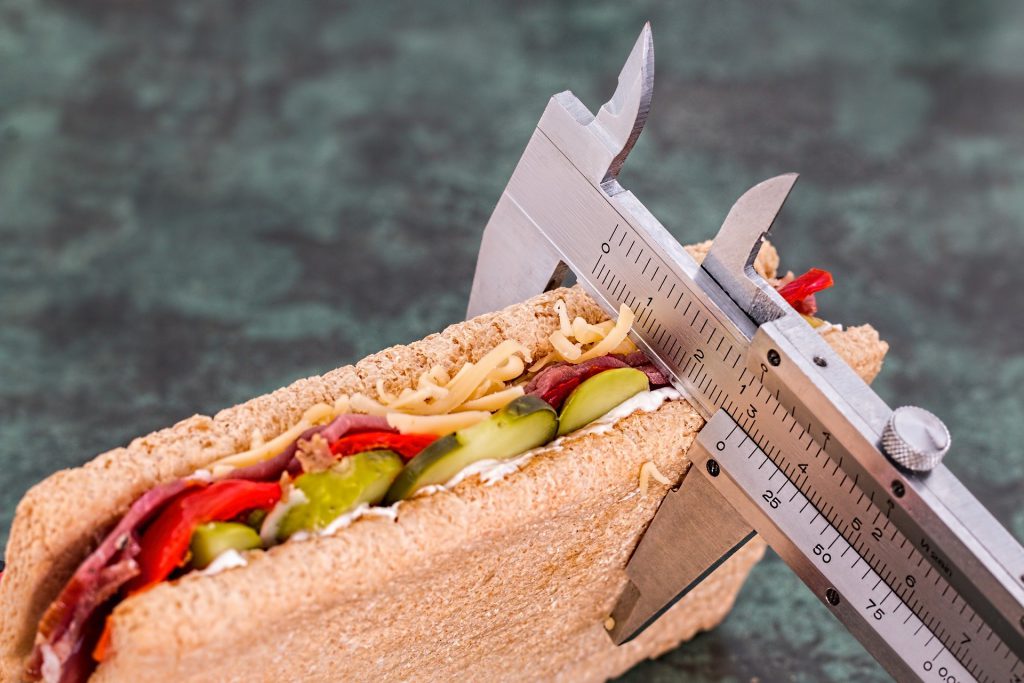
measure sandwich

Step 3: Buy a scale and weigh yourself.

Weigh yourself at least once a week. Try to do it first thing in morning with a consistent amount of clothing. Ignore small fluctuations. You may fluctuate about five pounds a day or from one day to the next, but try to focus on your lowest weight of the day. If you hit a new low at least once a week, just stick with the amount of food that you have been eating. If you gain or retain bodyweight, then lower your daily food intake by a little bit.
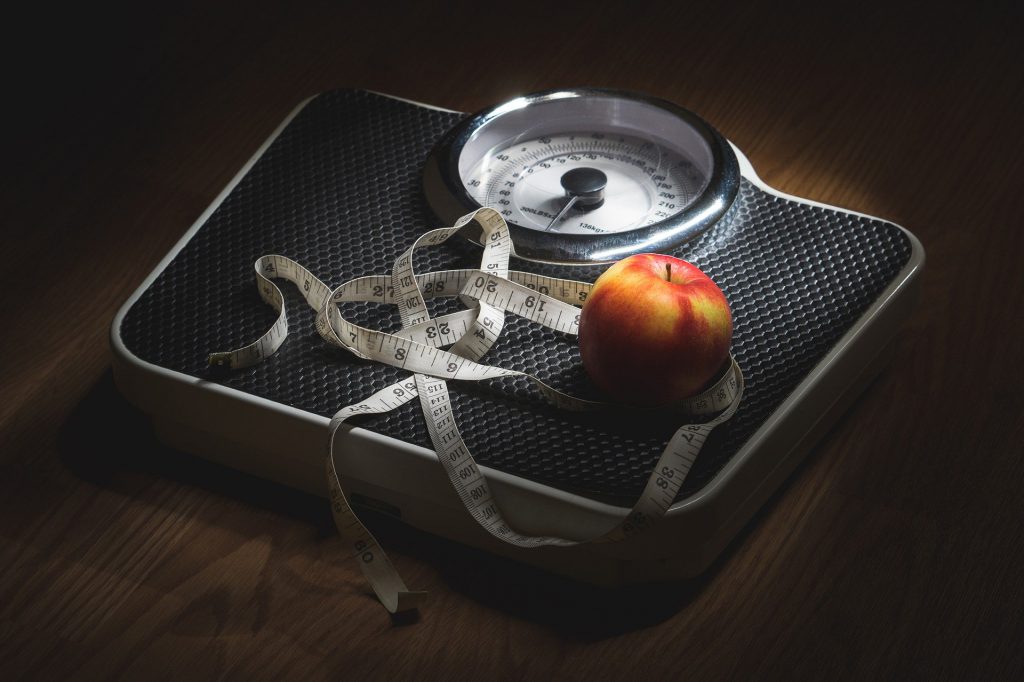
scale
make sure you wash that apple.

Step 4: Pick a reasonable target weight, then stop when you get there.

Avoid trying to see how low you can go. You’ll hate it down there. And when you eventually break, the extremist personality you used to drop down so low will cause you to start eating with reckless abandon and will put you back at a bodyweight that made you want to lose weight to begin with. You will succeed when you can come to terms with moderation. You know I’m right.


Training Your Back at Home

When it comes to working out at home, you can create a pretty comprehensive workout without anything more than a decent amount of floor space. For examples of the kinds of workouts you can build without equipment, you can click on the link, “Go to Workout Builder” at the top of this blog.

However, it is generally preferable to train your back with some kind of equipment.

Why?

Because pulling is a basic functional movement, and there is no way to perform a true pulling motion if you are only equipped with the floor.

What kind of equipment should you purchase?

Your best choice for equipment is probably dumbbells that allow you to change the weight. Dumbbells can be used for all kinds of exercises, including training your back, so they tend to be equipment that gives you the most bang for your buck. The exercise that you should focus on for your back is the neutral grip dumbbell row (see the picture below). You don’t need to rest your hand on anything. You can rest your forearm on your knee, then extend your other leg straight back while maintaining a flat back throughout the exercise.

Dumbell Row

Start with light weight and add weight slowly using sets of six to twelve reps. Once you have learned how to do this exercise well, you may want to consider purchasing a pull up bar and/or an inverted row bar.

For examples of how to add exercises using this equipment to your workout, you can click on the link, “Go to Workout Builder” at the top of this blog.

How many days a week should I workout?

If you asked me when I was younger whether or not working out one day per week was sufficient, I would have told you that it’s not, but my attitude has grown more liberal with age. If you ask me now whether or not I think working out seven days a week is a bad idea, I would say it is not your best choice. If you tell me now that you are working out two to four days a week, then I will tell you that you are a probably in a good range.

The problem with working out one day per week

If you want to get significant benefits from exercise, but only work out one day per week, then you need to workout long and/or hard. It is generally recommended that people perform either 75 minutes of vigorous exercise per week or 150 minutes of moderate exercise per week or some combination of the two. If you are going to choose 1 day per week, then you will need to meet this criteria in a single session, and you should probably favor 150 minutes of moderate exercise because this is an intensity level that relies less on athleticism thus putting you at less of a risk of injury. Still, you need to realize that you are still at a higher risk for “underuse” injuries such as back pain, and adaptations may develop slower, and your peak results may be less significant.

The problem with working out seven days per week

When you work out seven days per week, you’re pretty much begging for an overuse injury, especially if there isn’t much variety in your workouts. It’s true that some people can pull it off, but most people can’t. If you do workout seven days per week, then keep your workouts as short as possible and make sure you eat well and get plenty of sleep.

So how do I figure out how many days to workout?

Figure out a range that works with your schedule, then use some trial and error, and try to be flexible with your schedule. It can be difficult to write a new workout every week if your schedule is always changing, so to help I’ve created a program that can write your workouts for you. Just click on the link that reads “Go to Workout Builder” at the top of this blog.