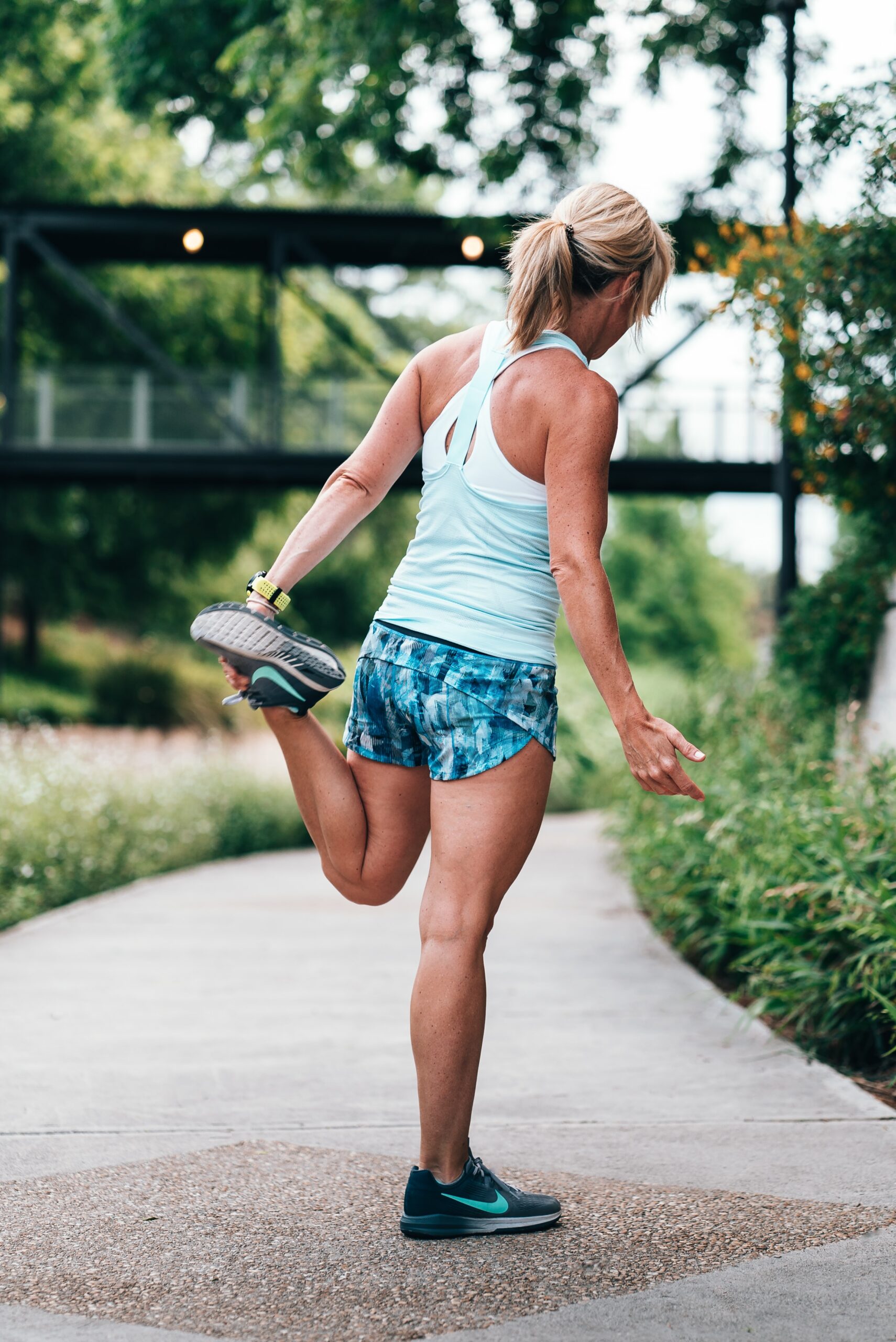
Single leg training is great for preventing injuries and improving balance. It is not unusual for one leg to develop differently than the other, and single leg training is the key to offsetting these imbalances. You can use the following exercises as a way to progress up to a solid foundation of single leg training that you can perform in the comfort of your own home.
Flexibility
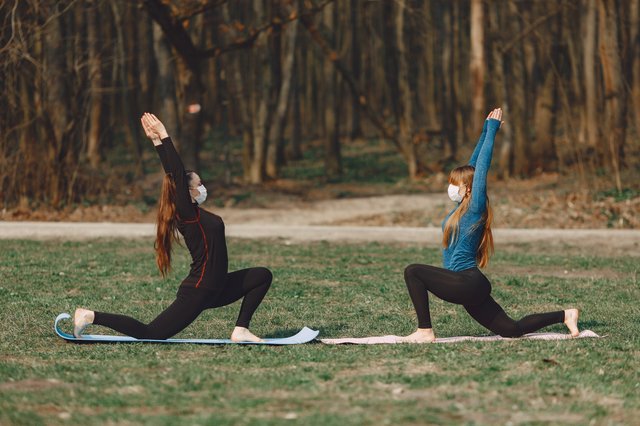
Before you go diving into resistance exercises, you should start by building a base of flexibility and balance. Start by taking a big step forward than easing yourself down onto one knee. Push your hips forward and extend your arms over your head and lean back like you see in the picture. You should be able to hold this pose comfortably for about thirty seconds until you proceed to the next exercise.
Alternating Lunges
The proper way to perform lunges is to step forward and lower the knee of your rear leg to the ground until it lightly touches or stops just above to the ground. You can set your hands on your hips or your head. The most efficient way to perform lunges is to alternate the leg you step forward with. When you can do a set of 24 reps (12 each leg) then you are ready for the next exercise.
RFESS
When the rear foot elevated split squat (RFESS) exercise is performed properly it is one of the most effective exercises for preventing injury and improving balance. The difference between the RFESS and a lunge is you support your rear foot up on a stable surface like a chair and set your front foot in a static position. You can set your hands on your hips or your head. Let your rear knee hang toward the ground and lower yourself until your rear knee is lightly touching or just above the ground.